## Understanding LN2 Tanks for Artificial Insemination Storage
Liquid nitrogen (LN2) tanks play a crucial role in the artificial insemination process, especially in the fields of reproductive biology and livestock breeding. These tanks are specifically designed for the long-term preservation of biological samples—such as sperm, eggs, and embryos—by employing the extremely low temperatures of liquid nitrogen, which can reach as low as -196°C (-321°F).
The key components of an LN2 tank include the inner container, the outer insulation layer, and a vacuum space. The inner container, typically made from stainless steel, holds the liquid nitrogen and the biological samples, while the outer layer provides insulation to minimize heat transfer. The vacuum space between these two layers serves as an excellent thermal barrier, reducing the rate at which the LN2 evaporates and maintaining the required low temperatures.
The primary working mechanism of an LN2 tank revolves around the principle of cryopreservation. When biological samples are immersed in LN2, metabolic activities are effectively halted, thus preserving the viability and functionality of the cells. Each sample is typically stored in a straw or vial, which is then placed in a canister within the tank. The tank’s design ensures that the samples are bathed in liquid nitrogen for optimal preservation while providing ease of access for retrieval.
Advanced technology has significantly enhanced the efficiency of LN2 tanks. Some modern systems feature automated monitoring, which allows technicians to track temperature changes and LN2 levels in real time. Alarms can notify operators of any deviations, ensuring that samples remain safe. Additionally, internet-connected sensors provide remote monitoring capabilities, allowing users to oversee the tanks’ conditions from anywhere in the world.
The application of LN2 tanks is vast, ranging from agricultural sectors focusing on livestock reproduction to human fertility clinics storing sperm and embryos for assisted reproductive technologies. For instance, a cattle breeding program may utilize LN2 tanks to preserve high-quality bull semen for artificial insemination. By reliably storing sperm, farmers can enhance genetic diversity and improve herd quality, ultimately leading to more efficient production processes.
In summary, LN2 tanks for artificial insemination storage are indispensable tools in modern manufacturing and reproductive technologies. Their advanced technology promotes efficient practices and safeguards valuable biological samples. For those looking to explore options for LN2 tank suppliers or seeking further information, please feel free to contact us.

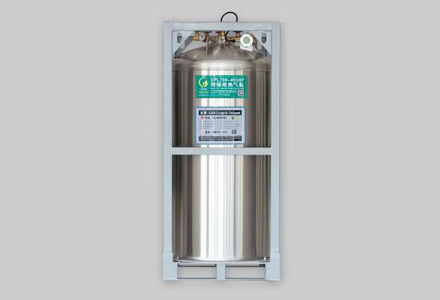
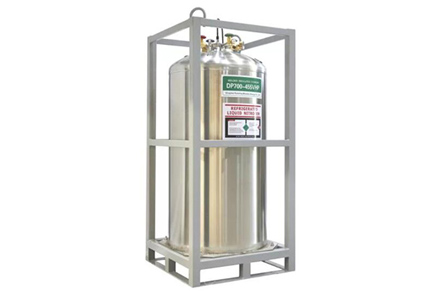
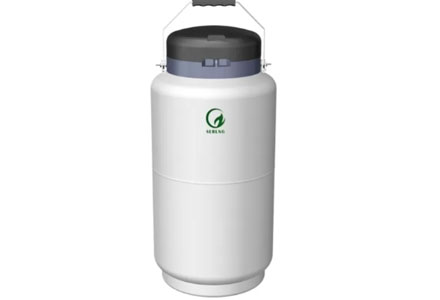
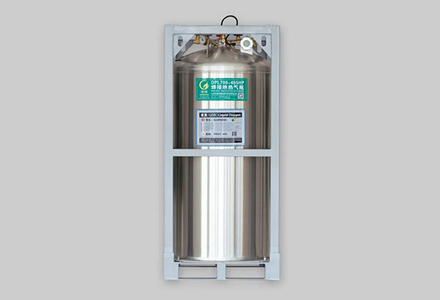
 livestock LN2 tank