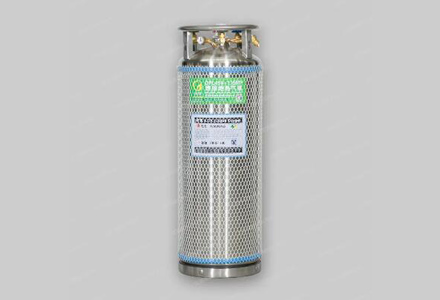
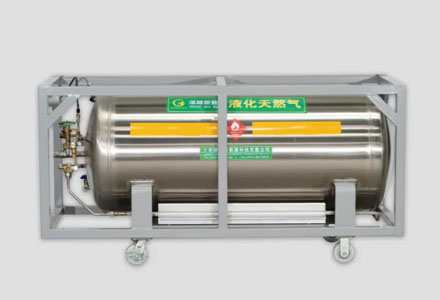
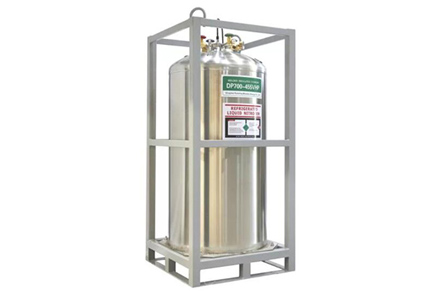
Cryogenic dewars are specialized vacuum-insulated containers designed to store and transport cryogenic liquids such as liquid nitrogen, helium, and other gases at extremely low temperatures. They are essential tools in research institute laboratories, playing a pivotal role in various scientific disciplines, including physics, chemistry, and biology. By maintaining low temperatures, these dewars enable researchers to conduct experiments that require precise control of thermal conditions, which is critical in fields such as superconductivity, cryogenics, and materials science.
The construction of a cryogenic dewar typically involves multiple layers of insulation, including a vacuum space that minimizes heat transfer. This design not only maintains the extremely low temperatures required for preserving samples and conducting experiments but also ensures safety and operational efficiency. Dewars come in various shapes and sizes, tailored to specific research needs, from small, portable units for fieldwork to large-scale vessels designed for high-capacity storage.
Expertise in cryogenic technology is crucial for researchers utilizing these instruments. Understanding the principles of thermal dynamics and the behavior of materials at cryogenic temperatures can significantly influence the outcome of experiments. Additionally, knowledge of safety protocols is paramount, as working with cryogenic substances presents unique hazards, including frostbite and asphyxiation risks. Research institutes often provide training and guidelines to ensure that personnel are well-versed in handling dewars and the materials housed within them.
The experience garnered from utilizing cryogenic dewars extends beyond basic operations. Researchers are often involved in the continuous development and refinement of these systems, contributing to improvements in insulation technology, safety features, and operational protocols. Many institutes collaborate with manufacturers to create bespoke solutions tailored to their specific research goals, fostering innovation and enhancing experimental capabilities.
Authoritatively, cryogenic dewars are recognized as indispensable tools in advanced scientific research. Numerous studies and breakthroughs across various fields have been made possible through the use of these systems. Their significance is emphasized by the extensive use of cryogenic techniques in major scientific advancements, including the study of quantum phenomena and the preservation of biological samples at ultra-low temperatures. Research institutions and laboratories continue to invest in cryogenic technology, solidifying its place at the forefront of scientific inquiry and application. As research evolves, the role of cryogenic dewars will unquestionably remain a cornerstone of innovative experimentation, driving progress across a wide spectrum of scientific exploration.


 semen tank