News

News

SERLNG - Jun. 22, 2026

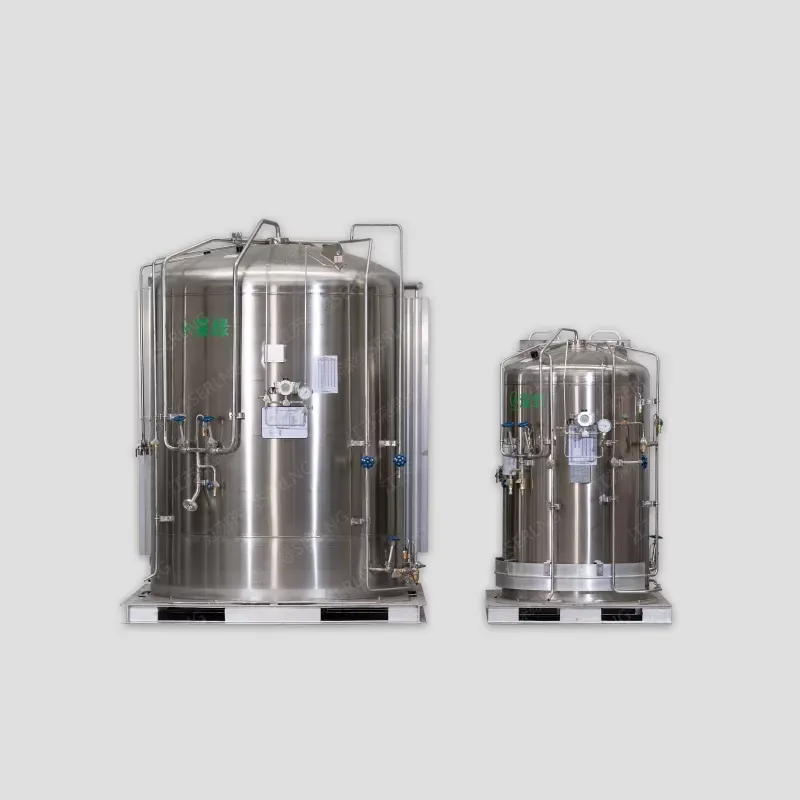
LNG Skid System Design and Installation Guide

When it comes to LNG skid systems, both novices and seasoned professionals in the field face challenges during design and installation. As an expert in this area, I understand that navigating the complexities of LNG skid design involves strategic planning, adherence to strict industry standards, and a methodical approach to installation. This guide will provide you with the necessary steps to

Learn More
SERLNG - Jun. 22, 2026

Why LNG Dispensers Are Important for Clean Energy Transportation

The urgency for transitioning to cleaner energy sources has never been more pronounced. Globally, transportation accounts for about 24% of greenhouse gas emissions, a figure that continues to rise as demand for mobility surges. While electric vehicles have garnered significant attention, the importance of liquefied natural gas (LNG) dispensers in clean energy transportation cannot be overstated.

Learn More
SERLNG - Jun. 22, 2026

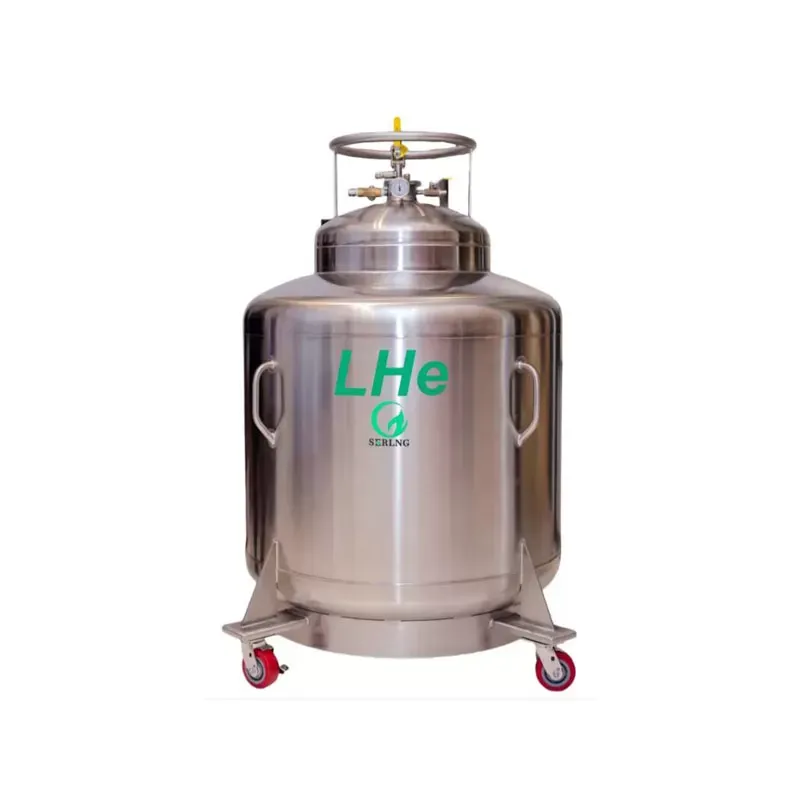
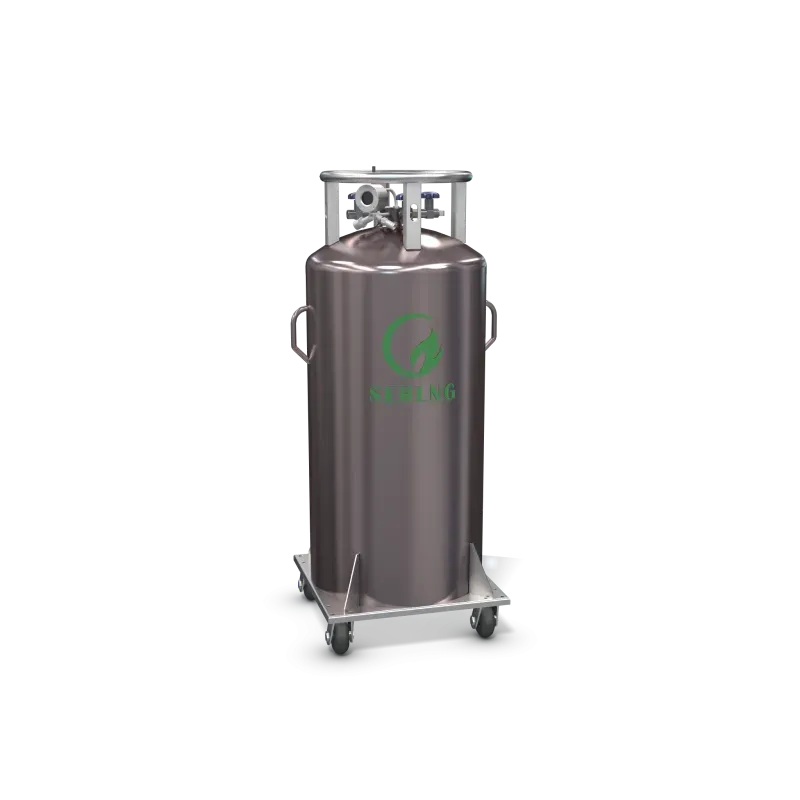
Liquid Dewar Cylinder vs Cryogenic Storage Tank Differences Explained

Liquid Dewar Cylinders are specialized insulated containers designed to store cryogenic liquids at extremely low temperatures. These cylinders are popular in various industries, including medical, aerospace, and scientific research, due to their efficient thermal insulation properties.

Learn More
SERLNG - Jun. 19, 2026

Why LNG Skid Mounted Systems Are Used in Remote Gas Stations

As I delved into the challenges facing gas stations located in remote areas, I quickly recognized a pressing issue: the reliability and availability of fuel sources. In places where infrastructure is limited, the risk of fuel shortages not only hampers operational efficiency but also undermines the livelihood of those reliant on these stations. This is a critical problem; neglecting it could lead

Learn More
SERLNG - Jun. 19, 2026

How LNG Dispensers Work at Fuel Stations

Understanding how LNG dispensers work at fuel stations is essential for operators looking to enhance their service offerings and optimize operational efficiency. In this article, we will break down the LNG dispensing process into clear, actionable steps that ensure a smooth experience for both the service operators and their customers.

Learn More
SERLNG - Jun. 19, 2026

Liquid Dewar Cylinder Buying Guide for Industrial Gas Users

Are you an industrial gas user in need of reliable storage solutions? Liquid Dewar Cylinders are essential for safely storing cryogenic gases like liquid nitrogen, argon, and oxygen. This guide is tailored for professionals in industries such as healthcare, manufacturing, and research, addressing common pain points like gas containment, cost-efficiency, and safety measures. With the right Liquid

Learn More
SERLNG - Jun. 18, 2026

How LNG Skid Systems Work in Gas Distribution Projects

When embarking on gas distribution projects, businesses encounter a multitude of challenges that can impede progress. Common issues faced include fluctuating natural gas supply, inefficient distribution methods, and high operational costs. Users often seek solutions that streamline the process of transporting liquefied natural gas (LNG) safely and efficiently. One effective solution gaining

Learn More
SERLNG - Jun. 18, 2026

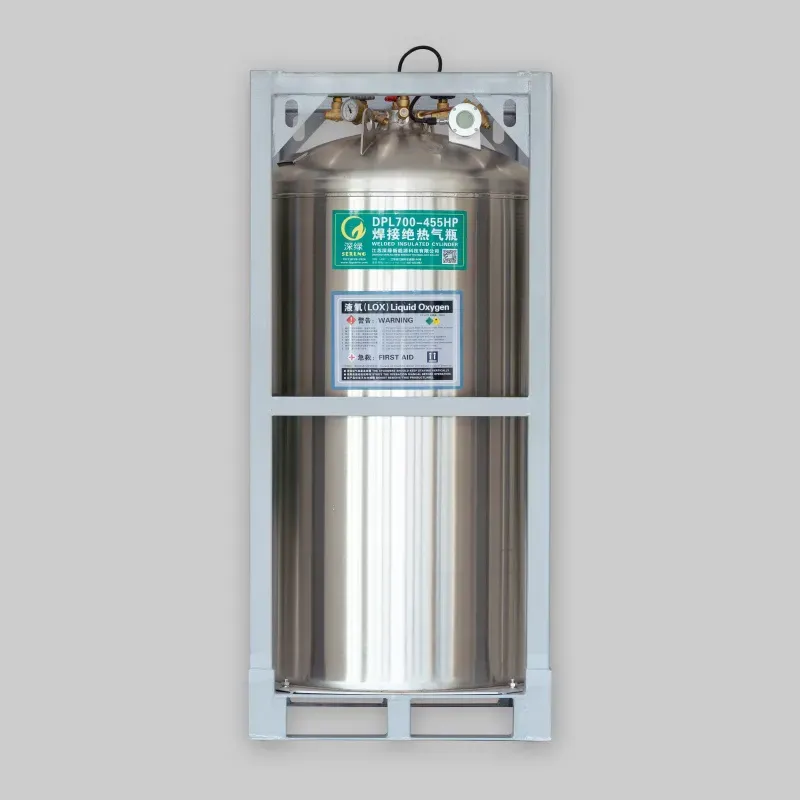
Tips for Choosing Liquid Oxygen Dewar for Hospitals

Choosing the right liquid oxygen Dewar is critical for hospitals aiming to provide effective and efficient patient care. Hospitals face challenges like inconsistent oxygen supply, equipment reliability, and storage limitations. A well-chosen Dewar can enhance oxygen delivery systems, ensuring patient safety and operational efficiency. In this article, we will explore the key considerations and

Learn More
SERLNG - Jun. 18, 2026

Why Choose a Liquid Dewar Cylinder for Oxygen and Nitrogen Storage

In today’s fast-paced industrial landscape, efficient gas storage solutions play a pivotal role in operational success. The failure to have reliable and optimal storage systems can disrupt production processes, threaten workplace safety, and result in significant economic losses. Businesses involved in manufacturing, medical institutions, or any sector reliant on oxygen and nitrogen must

Learn More