The LN2 tank, or liquid nitrogen tank, is an essential piece of equipment in IVF (In Vitro Fertilization) laboratories, playing a crucial role in the storage of biological specimens such as oocytes, embryos, and sperm. These tanks leverage the properties of liquid nitrogen, which maintains ultra-low temperatures, typically around -196°C (-321°F). This extreme cold serves to preserve the viability of sensitive biological materials, allowing for long-term storage without compromising cellular integrity.
The expertise in the operation and maintenance of LN2 tanks is paramount in an IVF setting. IVF specialists, embryologists, and laboratory technicians must be well-versed in the principles of cryopreservation and the handling of cryogenic materials. Proper training ensures that specimens are stored and retrieved with the utmost care, minimizing the risk of thermal shock and cellular damage that can result from improper handling. This knowledge is supported by a wealth of scientific research and clinical experiences that demonstrate the effectiveness of cryopreserved embryos and gametes in successful pregnancies.
Experience in using LN2 tanks extends beyond basic operation; it includes regular monitoring of nitrogen levels, ensuring that tanks are refilled as necessary, and performing routine maintenance checks to guarantee that the equipment is functioning optimally. IVF laboratories must also comply with strict regulatory standards to maintain the integrity of stored specimens, which further emphasizes the need for a knowledgeable staff capable of adhering to these guidelines. This adherence not only ensures successful outcomes for patients but also establishes the laboratory's reputation within the community.
Authoritatively, the use of LN2 tanks in IVF aligns with best practices outlined by fertility organizations and regulatory agencies. These tanks have been widely adopted across the globe due to their reliability and effectiveness in reproductive medicine. The continuous advancements in cryopreservation techniques further enhance their significance in the field, as ongoing research develops improved methods for freezing and thawing protocols.
In conclusion, the LN2 tank is not merely a storage unit but a vital component of the IVF laboratory landscape. Its role in safeguarding precious biological materials underscores the importance of expertise, experience, and authoritative compliance in ensuring successful assisted reproductive technologies. With the continued growth of the field, the LN2 tank’s relevance will only expand, necessitating ongoing education and adaptation by professionals dedicated to advancing fertility treatments.

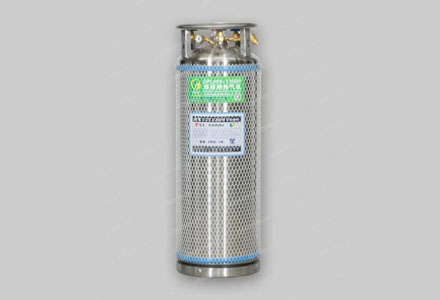
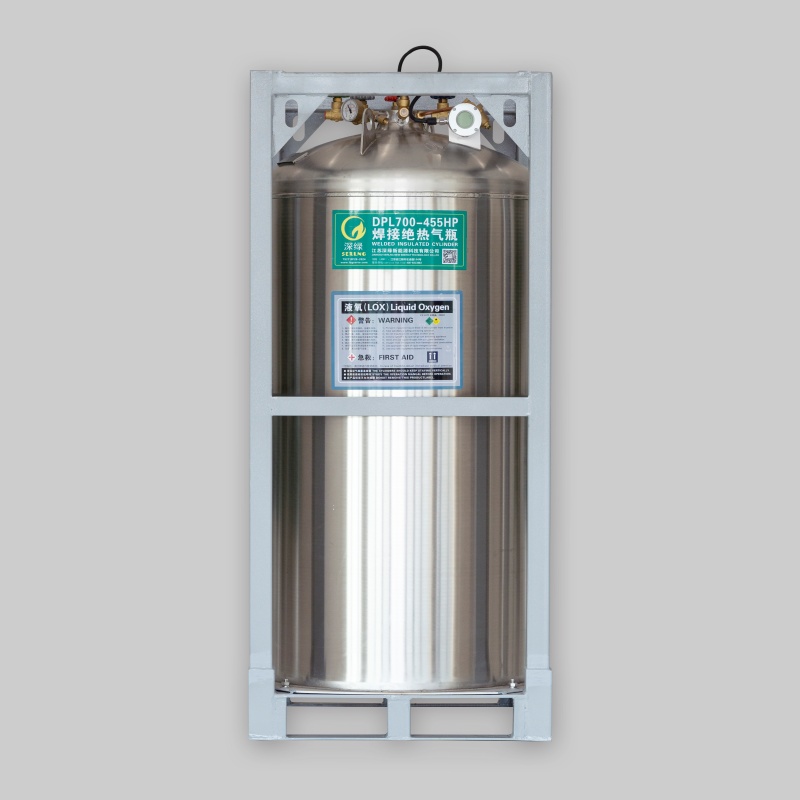
 veterinary LN2 tank