## Understanding Cryogenic Tank Cost Effective Storage Solutions
Cryogenic tank cost-effective storage solutions are essential for industries that require the storage of gases and liquids at extremely low temperatures, typically below -150°C. This technology is vital for the preservation and transportation of liquefied gases such as nitrogen, oxygen, hydrogen, and argon. These tanks are designed with advanced engineering to maximize efficiency while minimizing costs.
The key components of a cryogenic tank include an insulated container, a vacuum space, and a reliable pressure management system. The insulated container is typically made from high-strength materials capable of withstanding severe temperature differentials. The vacuum space between the inner and outer walls significantly reduces thermal conductivity, ensuring that the cold contents are maintained without excessive heat transfer. The pressure management system controls the gas build-up inside the tank, preventing pressure spikes that could lead to system failure.
One of the essential working mechanisms of cryogenic tanks involves the principles of thermodynamics. As cryogenic liquids are stored, their low temperatures result in gasification due to heat absorption from the environment. High-performing cryogenic tanks are designed to minimize this heat transfer and control the evaporation rates through advanced insulation and engineering materials. Additionally, some tanks are equipped with pressure relief valves and monitoring systems that enhance safety and allow for seamless ventilation during storage and transportation.
Advanced technology plays a pivotal role in enabling efficient production processes in various sectors, including healthcare, aerospace, and manufacturing. For example, in the medical industry, hospitals utilize cryogenic tanks for the storage of liquid nitrogen, which is critical for preserving biological samples and supporting cryotherapy treatments. The aerospace sector relies on these tanks for storing propellants, where optimizing weight and storage efficiency can lead to substantial cost savings on launches.
In modern manufacturing, the importance of cryogenic tank technology cannot be understated. With the movement towards more sustainable practices, industries are increasingly adopting cryogenic processes for applications such as cryogenic grinding, where materials are cooled to brittle states, resulting in finer particles, improved quality, and reduced energy consumption.
As industries continue to innovate and expand, the demand for reliable and cost-effective cryogenic tank solutions grows. For companies seeking to enhance their operational efficiencies, reaching out to suppliers specializing in cryogenic technology can provide valuable insights and state-of-the-art solutions. To learn more about how our cryogenic tank systems can support your operational goals, contact us for additional information and assistance.


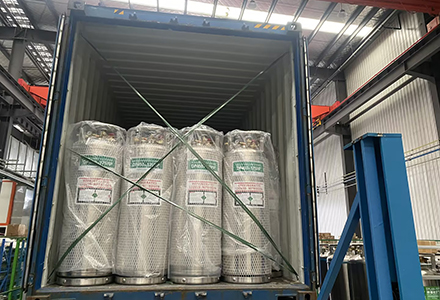
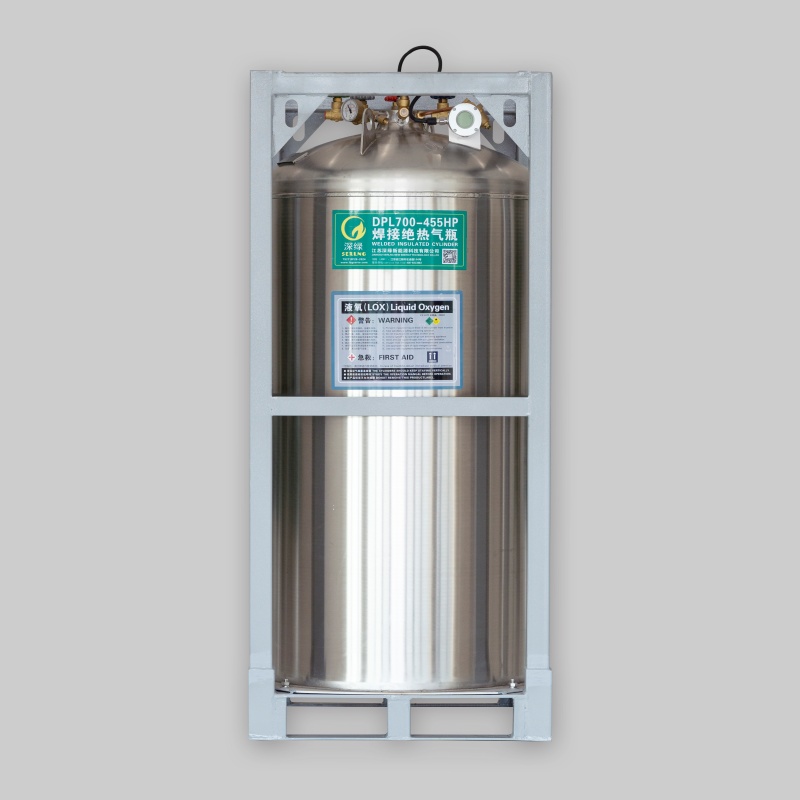
 cryogenic dewar for medical storage use