## Understanding LN2 Tanks for Frozen Embryo Storage Systems
Liquid nitrogen (LN2) tanks are crucial in the field of reproductive technology, particularly for the storage of frozen embryos. These advanced systems ensure that sensitive biological samples are preserved at ultra-low temperatures, maintaining their viability for future use. Understanding how LN2 tanks work provides insight into their vital role in modern manufacturing processes related to reproductive health.
At the heart of an LN2 tank is its ingenious insulation system, which prevents heat transfer from the environment to the stored liquid nitrogen. These tanks are often constructed from materials that provide excellent thermal insulation, such as stainless steel, combined with a vacuum layer that minimizes thermal conduction and convection. This design enables the storage of embryos at temperatures around -196°C (-321°F), well below the freezing point of biological tissues, thus halting cellular activity and preserving the embryos in a state of suspended animation.
Key components of an LN2 tank include the storage chamber, the LN2 fill port, and safety mechanisms. The storage chamber is where the embryos are kept, often organized in cryovials and placed in racks to optimize space and ease of access. The fill port allows for the introduction of liquid nitrogen into the tank, which is vital for maintaining the necessary low temperature. Safety mechanisms, such as pressure relief valves, are crucial for preventing over-pressurization, ensuring the tank operates safely under varying conditions.
Advanced technology plays a pivotal role in enhancing the efficiency of these systems. Innovations such as automated LN2 level monitoring systems help ensure that the liquid nitrogen level remains optimal, reducing the need for manual checks and ensuring constant monitoring of the storage conditions. Additionally, some modern tanks may offer integrated data logging capabilities that track temperature fluctuations, providing valuable information for quality control and compliance with regulatory standards.
Application scenarios for LN2 tanks in frozen embryo storage include fertility clinics where stored embryos can be thawed and used in in-vitro fertilization (IVF) treatments. Additionally, research laboratories utilize these systems to preserve genetically modified embryos for agricultural development, demonstrating the versatility of LN2 tanks beyond reproductive medicine alone.
In conclusion, LN2 tanks for frozen embryo storage systems represent a sophisticated blend of technology and functionality. Their ability to maintain ultra-low temperatures is essential for the preservation of biological samples, supporting both fertility treatments and advancements in agricultural biotechnology. For those looking for reliable suppliers or who have questions regarding LN2 technologies, we invite you to contact us.

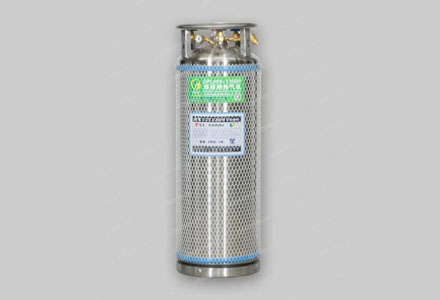
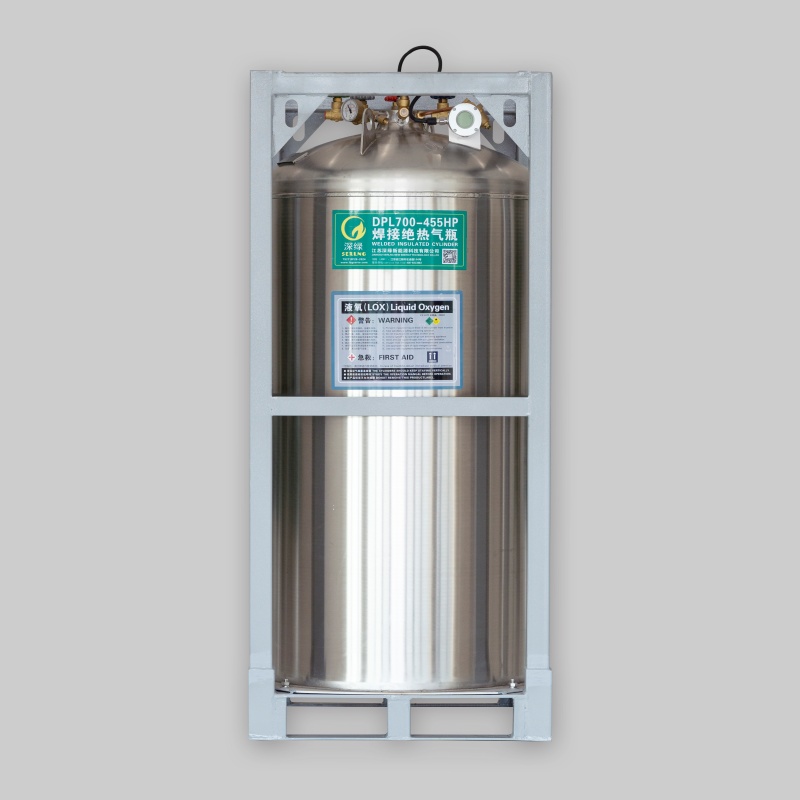
 veterinary LN2 tank