## Understanding Liquid Nitrogen Dewars for Vaccine Storage
Liquid nitrogen dewars play a crucial role in the storage and transportation of vaccines, particularly those that require ultra-low temperatures to maintain their efficacy. The function of a liquid nitrogen dewar revolves around its ability to maintain extremely low temperatures through advanced thermal insulation methods, ensuring that sensitive biological products remain viable over extended periods.
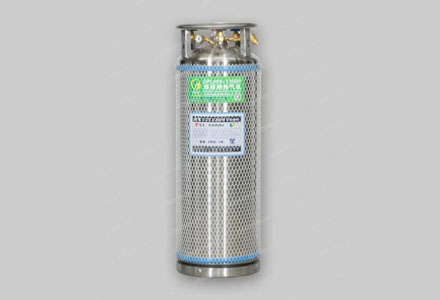
At the core of a liquid nitrogen dewar is its double-walled structure, with a vacuum between the walls that minimizes heat transfer. The inner chamber, which holds the liquid nitrogen, is constructed from materials such as stainless steel or aluminum. This choice of materials not only offers durability but also has low thermal conductivity, enhancing the dewar’s ability to retain cold temperatures. The outer wall is designed to be robust, protecting the inner chamber from external physical damage.
Liquid nitrogen, with a boiling point of -196°C (-321°F), serves as the cryogenic agent within the dewar. When vaccines are immersed in liquid nitrogen, the extremely low temperatures preserve their structural integrity and efficacy, significantly extending shelf life. For example, mRNA vaccines, which are particularly sensitive to temperature fluctuations, can be stored safely in such conditions, avoiding degradation that could occur at higher temperatures.
The operation of these dewars is made efficient through modern technology. Many units are equipped with advanced control systems that monitor temperature and pressure. These systems can alert technicians to any anomalies, ensuring proactive management of the storage environment. Additionally, automated sample retrieval systems can streamline the process of accessing stored vaccines, further reducing the risk of exposing them to non-optimal conditions.
In practical applications, pharmaceutical manufacturers and research institutions utilize liquid nitrogen dewars during the production and distribution phases. For instance, during vaccine clinical trials, small batches may be stored in these dewars, facilitating the logistical challenge of transporting them to various trial locations without compromising their effectiveness.
Overall, liquid nitrogen dewars are integral to the modern manufacturing landscape, particularly in vaccine production and storage. As the global demand for vaccines continues to grow, reliable storage solutions like these not only enable efficient production processes but also safeguard public health. For organizations seeking to ensure the quality of vaccine storage, engaging with reputable suppliers can make a substantial difference. If you're interested in learning more or exploring options for liquid nitrogen dewars, feel free to contact us.


 cryogenic research tank