A cryogenic research tank is an essential component in the field of cryogenics, which involves the study of materials and phenomena at extremely low temperatures, typically below -150°C. These tanks are specifically designed to safely store and manage cryogenic liquids, such as liquid nitrogen, liquid helium, and liquid hydrogen. Utilizing advanced engineering and materials science, cryogenic research tanks play a pivotal role in various scientific and industrial applications, including aerospace engineering, materials testing, and medical technology.
At the core of the cryogenic research tank's function is its ability to maintain stable low temperatures while preventing thermal loss. This is achieved through intricate insulation techniques, often incorporating materials like vacuum insulation and multi-layer insulation systems. These tanks are constructed with robust materials capable of withstanding the extreme conditions of cryogenic liquids, ensuring long-term reliability and safety during storage and handling.
Expertise in the design and construction of cryogenic tanks typically involves multidisciplinary knowledge in thermodynamics, fluid dynamics, and materials science. Engineers and scientists collaborate to ensure that these tanks meet rigorous standards for safety and performance. For instance, adherence to stringent industry regulations is paramount, as the handling of cryogenic substances presents unique challenges, such as the risk of rapid phase changes and the potential for pressure build-up within the tank.
Experience in using cryogenic tanks extends across various sectors. In the aerospace industry, cryogenic fuels are critical for rocket propulsion, demanding high-precision storage solutions to maintain the effectiveness of fuel components until launch. In medical research, cryogenic tanks are indispensable for preserving biological samples, enabling advancements in genetics and cellular studies. Moreover, in materials science, researchers utilize cryogenic environments to investigate superconductors and other novel materials that exhibit unique properties at low temperatures.
Authoritatively, organizations engaged in cryogenic research and tank manufacturing are often at the forefront of innovation in cryogenics. Research institutions and laboratories around the world rely on these facilities to conduct groundbreaking experiments, and the insights gained often lead to significant scientific breakthroughs. The development of new materials and technologies in cryogenics not only fosters advancements in science but also contributes to various sectors by enhancing the efficiency and safety of their operations.
In summary, cryogenic research tanks are indispensable tools in fields ranging from aerospace to medicine. Their sophisticated design and engineering reflect a deep understanding of cryogenic principles, demonstrating the expertise, experience, and authority that underpin successful cryogenic research and application.

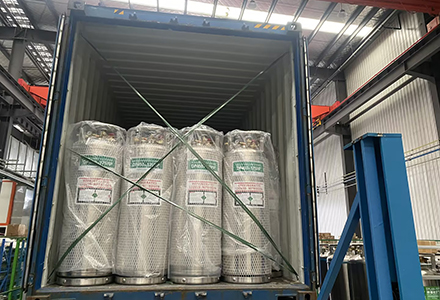


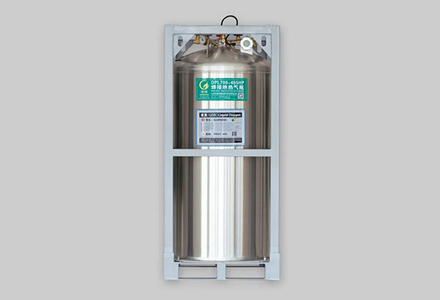
 liquid nitrogen dewar for IVF clinics