## Understanding Liquid Nitrogen Dewars in IVF Clinics
In the realm of reproductive technologies, liquid nitrogen dewars play a pivotal role in the cryopreservation of human embryos, sperm, and oocytes. These specialized containers are designed to hold liquid nitrogen at temperatures around -196°C, providing an optimal environment to preserve biological materials for extended periods.
### Key Components and Mechanisms
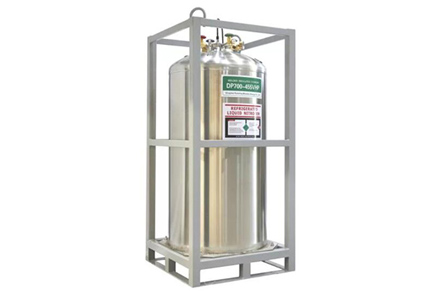
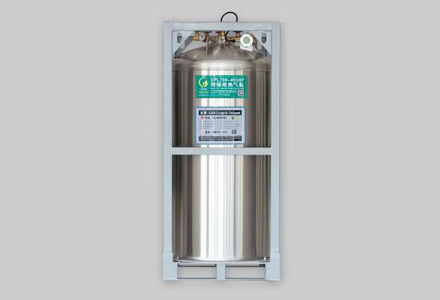
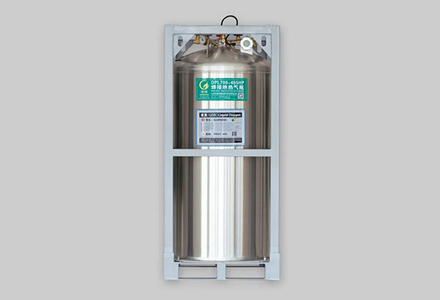
A typical liquid nitrogen dewar consists of several crucial components. The outer structure is usually made from aluminum or stainless steel, providing durability and resistance to external elements. The inner reservoir, which holds the liquid nitrogen, is thermally insulated to minimize heat transfer, preventing evaporation and ensuring efficient cooling.
The dewar operates based on a vacuum insulation principle. Between the inner and outer walls, a vacuum layer is created, which significantly reduces thermal conduction. This advanced insulation technology allows the dewar to maintain extremely low temperatures efficiently. The top of the dewar is equipped with a lid that can be tightly sealed to prevent nitrogen gas from escaping, ensuring safety and extending the time period for which the biological samples can be stored.
### Advanced Technology and Efficiency
Modern liquid nitrogen dewars incorporate advanced technology such as sensors and control systems to monitor and maintain temperature stability. These systems can provide real-time data, allowing technicians to track the status of the biological samples. Automated filling systems may also be employed, providing a controlled way to replenish liquid nitrogen without compromising the internal environment.
In an IVF clinic, these dewars streamline the production process of reproductive cells. For example, during egg retrieval, oocytes are carefully collected and immediately preserved in liquid nitrogen. This cryopreservation method allows for efficient batching of samples, enabling clinics to increase their capacity while maintaining the highest quality standards.
### Application Scenarios
An illustrative scenario involves a couple undergoing IVF treatment. After fertilization, several embryos are developed, allowing the clinic to select the most viable ones. The remaining embryos are preserved in liquid nitrogen dewars, ensuring they can be successfully thawed and utilized later. This flexibility not only maximizes the chances of a successful pregnancy but also reduces the physical and emotional toll on the couple.
In conclusion, liquid nitrogen dewars are an indispensable part of IVF clinics, marrying advanced technological applications with critical biological processes. By understanding how these systems work and their importance in the modern manufacturing of reproductive technologies, clinics can provide better care and outcomes for patients. For those looking to enhance their IVF services with superior storage solutions, contact us to discuss options with reliable suppliers.

 livestock LN2 tank