
Cryogenic shipping containers designed for the transport of liquid nitrogen (LN₂) play a vital role in modern logistics systems across multiple industries, including medical, pharmaceutical, biotechnology, and food preservation. These specialized containers ensure that temperature-sensitive materials remain stable and viable during long-distance transportation under ultra-low temperature conditions.
Maintaining LN₂ at approximately -196°C (-320°F) is essential to preserve biological integrity and chemical stability. Cryogenic shipping containers are engineered specifically to achieve this level of thermal control safely and efficiently.
What is a Cryogenic Shipping Container?
A cryogenic shipping container for LN2 transport is a highly insulated vessel designed to transport liquefied gases—most commonly liquid nitrogen—without significant temperature loss or evaporation risks affecting the payload.
Unlike standard storage tanks, shipping containers are optimized for:
- Mobility
- Shock resistance
- Pressure control
- Extended holding time during transit
These features make them essential for global supply chains involving sensitive biological or industrial materials.
Key Structural Design Features
1. Double-Walled Vacuum Insulation
At the core of every cryogenic shipping container is a double-walled structure with a vacuum layer between the inner and outer shells.
This vacuum acts as a thermal barrier by eliminating:
- Heat conduction
- Convection
- External thermal interference
Additional insulation materials such as multilayer reflective shielding are often used to further reduce heat transfer.
This is the primary reason LN₂ can remain stable for extended periods during transport.
2. Pressure Relief System
As liquid nitrogen naturally evaporates, it expands rapidly into gas—approximately 1 liter of LN₂ expands into 700 liters of nitrogen gas. This creates internal pressure buildup inside the container.
To manage this safely, cryogenic shipping containers are equipped with:
- Pressure relief valves
- Venting systems
- Safety burst discs (in advanced models)
These components ensure controlled gas release, preventing structural damage or hazardous overpressure conditions.
3. Durable Outer Shell Construction
The outer shell is typically made of:
- High-strength aluminum alloys
- Stainless steel (for industrial-grade units)
This ensures:
- Mechanical protection during transport
- Resistance to vibration and impact
- Long-term durability in harsh environments
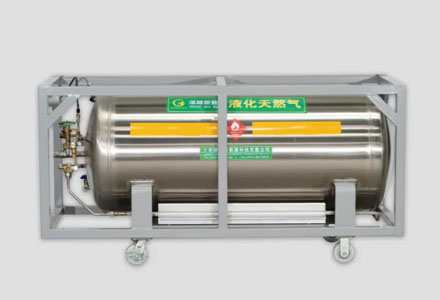
Some models also include reinforced bases and protective frames for logistics handling.
4. Advanced Monitoring Systems
Modern cryogenic shipping container for LN2 transport increasingly include smart monitoring technologies such as:
- Temperature sensors
- Pressure gauges
- Liquid level indicators
- Digital tracking systems (IoT-enabled models)
These systems allow real-time monitoring during transportation, ensuring compliance with strict safety and quality standards.
Applications of Cryogenic shipping container for LN2 transport
Cryogenic shipping containers are widely used in industries where material integrity depends on ultra-low temperatures.
Medical and Healthcare Applications
- Cryopreservation of stem cells
- Storage and transport of blood samples
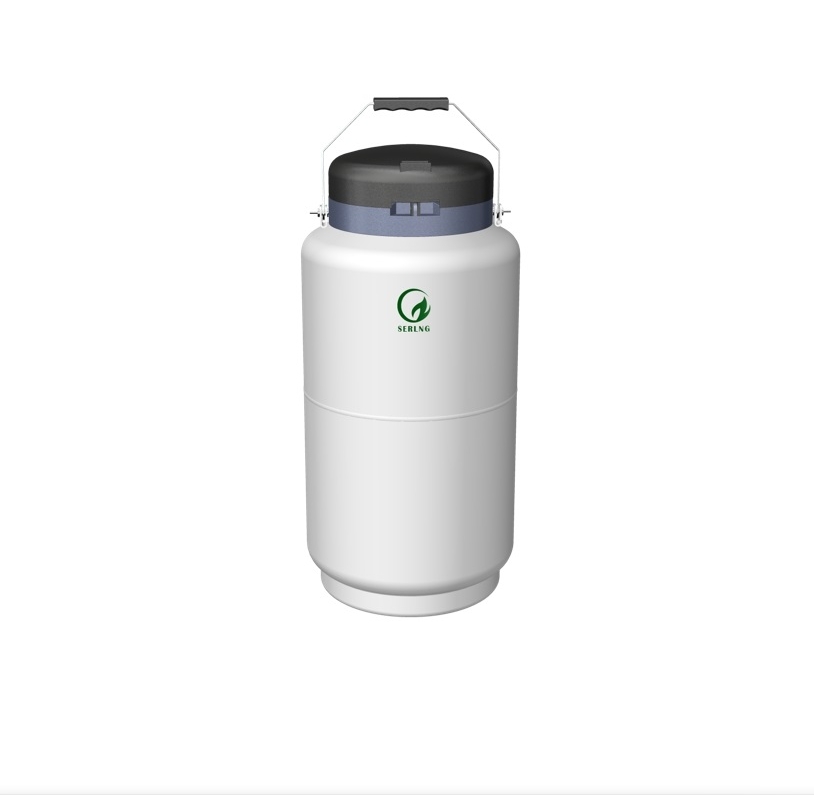
- Preservation of tissues and reproductive materials (semen, embryos)
- Vaccine cold chain logistics
These applications require uninterrupted temperature stability to maintain biological viability.
Pharmaceutical Industry
Cryogenic containers ensure safe transport of:
- Temperature-sensitive drugs
- Biologics
- Clinical trial materials
- Research samples
Even minor temperature fluctuations can affect drug efficacy, making cryogenic shipping essential.
Biotechnology and Research
Used in:
- Genetic material preservation
- Cell culture transport
- Laboratory sample logistics
- University and research institute applications
Food Industry
Cryogenic shipping containers are also used for:
- Frozen seafood transport
- Specialty frozen ingredients
- High-value food logistics
This ensures freshness and quality retention over long distances.
Why LN₂ is Ideal for Shipping Applications
Liquid nitrogen is one of the most widely used cryogenic fluids due to its:
- Extremely low boiling point (-196°C)
- Chemical inertness (non-reactive)
- High cooling efficiency
- Cost-effectiveness
Its inert nature makes it safe for biological and industrial applications, as it does not chemically interact with stored materials.
Safety Considerations
While cryogenic shipping containers are engineered for safety, proper handling remains essential.
Key risks include:
- Asphyxiation in poorly ventilated areas
- Cold burns from direct contact
- Pressure buildup if vents are blocked
- Material embrittlement at low temperatures
Best practices include:
- Ensuring proper ventilation
- Regular inspection of valves and seals
- Avoiding container tilting or dropping
- Training personnel in LN₂ handling procedures
Technological Advancements in Cryogenic Shipping
Recent innovations have significantly improved performance and safety:
- High-performance vacuum insulation systems
- Lightweight composite materials
- Smart IoT-based tracking systems
- Extended holding time designs
- Enhanced pressure regulation systems
These advancements allow modern containers to maintain LN₂ conditions for longer durations with greater reliability.
 cattle semen tank