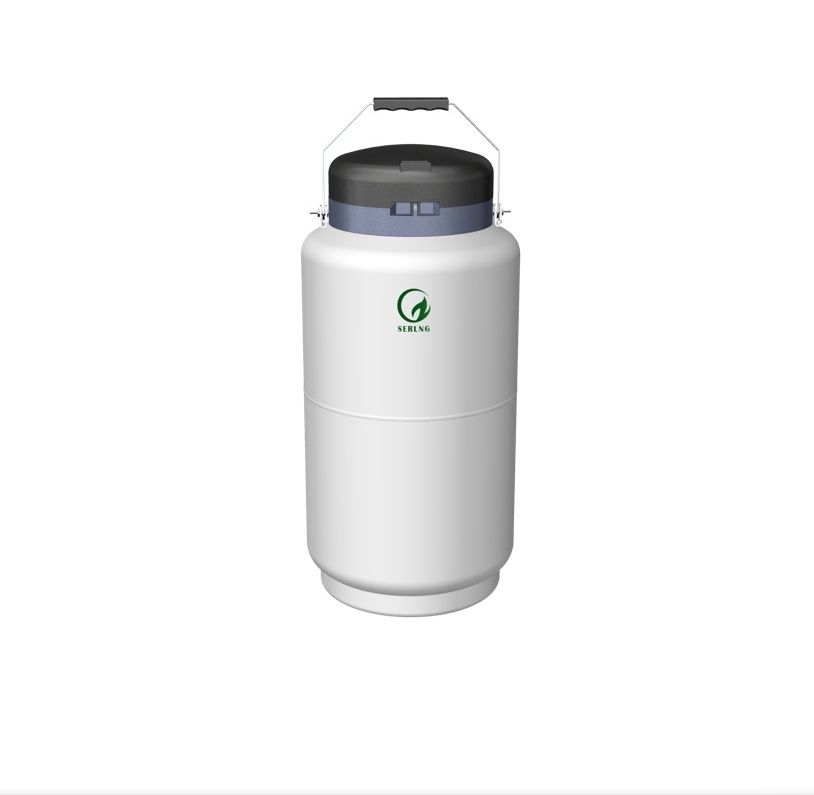
Understanding Bio Materials and Dry Shippers: 3 Key Insights
In the realm of scientific research and biotechnology, the use of advanced bio materials and the functionality of dry shippers are pivotal. A dry shipper is a type of container designed to transport biological materials at controlled temperatures, ensuring that sensitive specimens remain viable during transit. This article will explore three essential aspects of bio materials and dry shippers, providing insights that are crucial for researchers and companies involved in biopreservation and cryogenic storage.
1. What Are Bio Materials?
-
Definition and Types:
Bio materials are natural or synthetic materials that interact with biological systems. They can be classified into various types, including:
- Natural bio materials (e.g., collagen, chitosan)
- Synthetic bio materials (e.g., polymers, ceramics)
- Composite materials (e.g., combining natural and synthetic elements)
-
Applications in Research:
Bio materials are increasingly used in regenerative medicine, drug delivery systems, and tissue engineering. For instance, according to a study by the National Institutes of Health (NIH), bio materials play a crucial role in developing scaffolds for tissue regeneration.
-
Regulatory Considerations:
When using bio materials in medical applications, compliance with regulatory standards set by organizations such as the FDA is essential. This ensures safety and efficacy in their applications.
2. The Role of Dry Shippers in Biological Transport
-
What is a Dry Shipper?
A dry shipper is a specialized container designed for transporting biological specimens at cryogenic temperatures, often using liquid nitrogen. These vessels maintain sub-zero conditions without liquid nitrogen evaporation, making them ideal for sensitive samples.
-
Benefits of Using Dry Shippers:
Key advantages include:
- Temperature stability: Maintains optimal conditions for specimen preservation.
- Safety: Reduces risks associated with transporting hazardous materials.
- Versatility: Suitable for various applications in genetics, reproductive technology, and agriculture.
-
Choosing the Right Dry Shipper:
Consider factors such as size, insulation quality, and duration of temperature stability when selecting a dry shipper for your needs. Refer to manufacturers such as China Cryogenic for detailed specifications and options.
3. Best Practices for Using Bio Materials and Dry Shippers
-
Preparation of Samples:
Ensure that all biological samples are appropriately prepared and packaged to minimize degradation. This may involve using stabilizing agents or proper tissue preservation techniques.
-
Shipping Protocols:
Implement robust shipping protocols to ensure temperature control and integrity during transport. This includes using tracking systems and temperature monitoring devices.
-
Documentation and Compliance:
Maintain thorough documentation throughout the transport process, and ensure compliance with local and international regulations regarding the shipment of biological materials.
Emerging Technologies in Bio Materials and Dry Shippers
Recent advancements in bio materials and dry shipping technology have resulted in improved performance and innovative applications. These include:
- Smart biosensors integrated into dry shippers for real-time monitoring.
- Biocompatible materials enhancing the quality of the specimens stored in bio material applications.
Conclusion
Bio materials and dry shippers play a vital role in the safe transport and preservation of biological specimens. By understanding their functions, benefits, and best practices, researchers and companies can ensure the success of their projects. Stay informed about the latest advancements and follow established protocols to mitigate risks and enhance the efficacy of biological transport.