Liquid nitrogen lab containers are specialized vessels designed for the safe storage and handling of liquid nitrogen, a cryogenic substance with a boiling point of -196 degrees Celsius. These containers play a crucial role in various scientific and industrial applications, including biomedical research, cryopreservation, and the storage of sensitive materials that require ultra-low temperatures. Their design and functionality are essential for maintaining the integrity of samples and materials while ensuring safety for users and the surrounding environment.
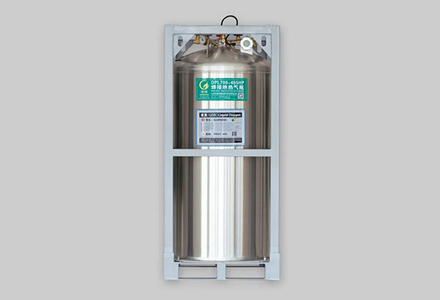
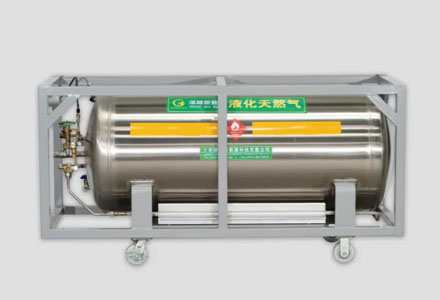
One of the primary features of liquid nitrogen lab containers is their vacuum-insulated construction. This design minimizes heat transfer, allowing the liquid nitrogen to remain in a liquid state for extended periods. High-quality containers are equipped with durable materials, often featuring stainless steel exteriors that offer resistance to corrosion and physical impacts. This robustness is essential in laboratory settings, where containers are frequently moved or handled.
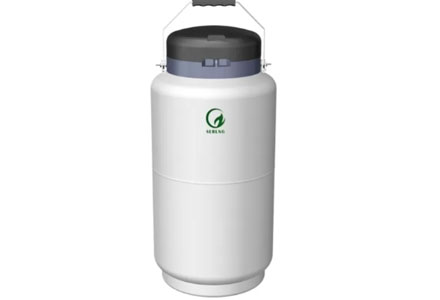
The expertise required to select and utilize these containers involves understanding their various types, including dewars, cryogenic tanks, and storage flasks, each designed with specific functionalities and capacities. Researchers and laboratory personnel must consider factors such as storage volume, duration of use, and the intended applications when choosing the appropriate container. Furthermore, proper training is necessary for handling liquid nitrogen safely, as it can pose significant hazards if not managed correctly.
In terms of authoritativeness, the production and regulation of liquid nitrogen containers are guided by strict industry standards to ensure that these vessels can withstand the extreme conditions associated with cryogenic storage. Organizations such as the Compressed Gas Association (CGA) and the National Fire Protection Association (NFPA) provide guidelines for the manufacture and use of these containers, contributing to best practices in safety and efficiency.
Experience in working with liquid nitrogen lab containers involves not only the technical aspects of handling the cryogenic substance but also an understanding of the best practices for maintenance and troubleshooting. Regular inspections for damage, leaks, or loss of vacuum integrity are crucial for ensuring ongoing safety and performance.
Overall, liquid nitrogen lab containers are indispensable tools in contemporary scientific research and industrial applications. Their safe and effective use is rooted in a combination of technical expertise, stringent regulatory standards, and practical experience, making them essential for anyone involved in fields that require cryogenic technology.

 cattle semen tank