## Understanding the Breeding Nitrogen Tank: Key Components and Mechanisms
Breeding nitrogen tanks are critical components in various industrial processes, particularly in the production of pharmaceuticals, food preservation, and electronics manufacturing. These tanks store and manage nitrogen gas, which is essential for creating inert environments that inhibit oxidation and other chemical reactions.
At the core of a breeding nitrogen tank are its key components: the tank itself, pressure regulation systems, safety valves, and monitoring systems. The tank is typically constructed from high-strength materials capable of withstanding high pressures. The pressure regulation system ensures that nitrogen is delivered at a consistent flow rate and pressure, which is crucial for maintaining the desired environment during manufacturing processes.
When the tank is filled, nitrogen gas is usually liquefied at very low temperatures and then vaporized for use. This phase change from liquid nitrogen to gas is a critical step, allowing for higher concentrations of nitrogen when required. The safety valves play an essential role in preventing overpressure, ensuring that the tank operates safely within its design limits. Meanwhile, advanced monitoring systems track the tank's internal conditions, such as temperature and pressure, enabling real-time adjustments to optimize production efficiency.
Modern technology has revolutionized the way breeding nitrogen tanks operate. Automation and digital control systems enhance the efficiency of nitrogen handling, reducing operational costs and minimizing human error. For example, integrated sensors can communicate with facility management systems, alerting operators to any deviations from predetermined safety parameters or performance metrics. This allows for timely interventions, ensuring that the manufacturing processes continue smoothly.
A practical application of breeding nitrogen tanks can be seen in the food industry, where nitrogen is used to package products. By replacing oxygen with nitrogen, food products retain their freshness longer, minimizing spoilage and extending shelf life. In the pharmaceuticals sector, nitrogen environments protect sensitive compounds from degradation during processing and storage. Electronics manufacturers also benefit from nitrogen in producing semiconductor components, ensuring the cleanliness and quality of their products.
In conclusion, breeding nitrogen tanks are vital to modern manufacturing processes. Their combination of advanced technology and reliable components ensures efficient production and enhances product quality. For businesses looking to implement or upgrade their nitrogen handling systems, it is essential to work with reputable suppliers who can provide the necessary expertise and support. If you're interested in learning more or need assistance with your nitrogen tank systems, please contact us.

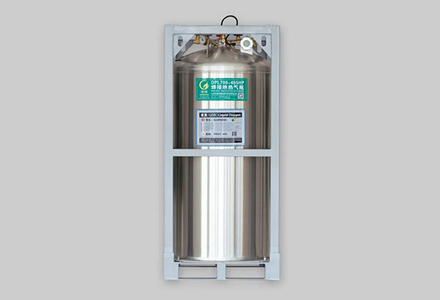

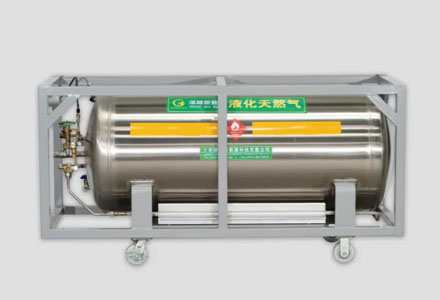
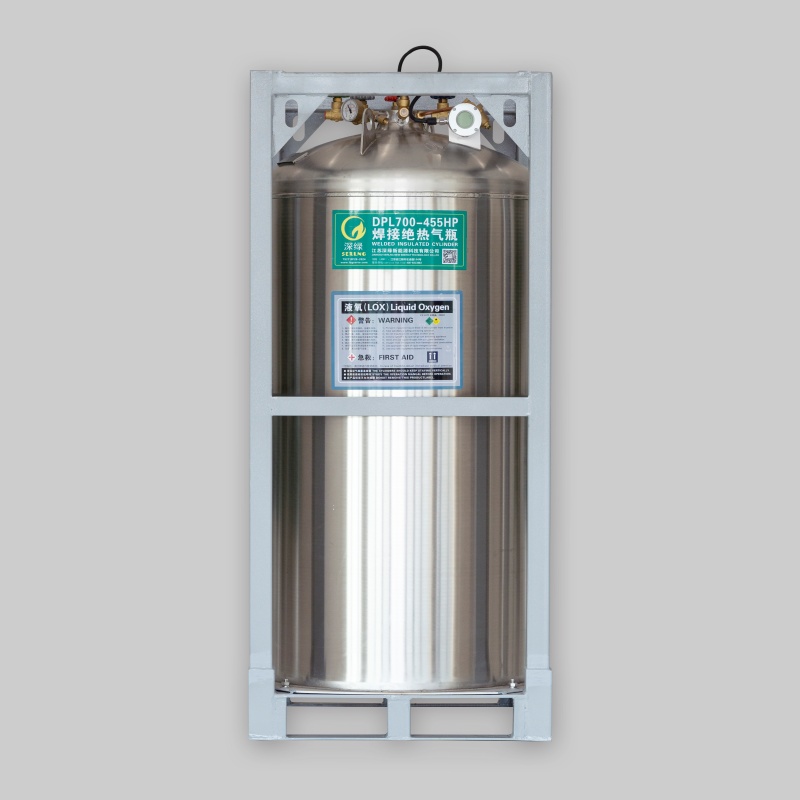
 cryogenic research tank