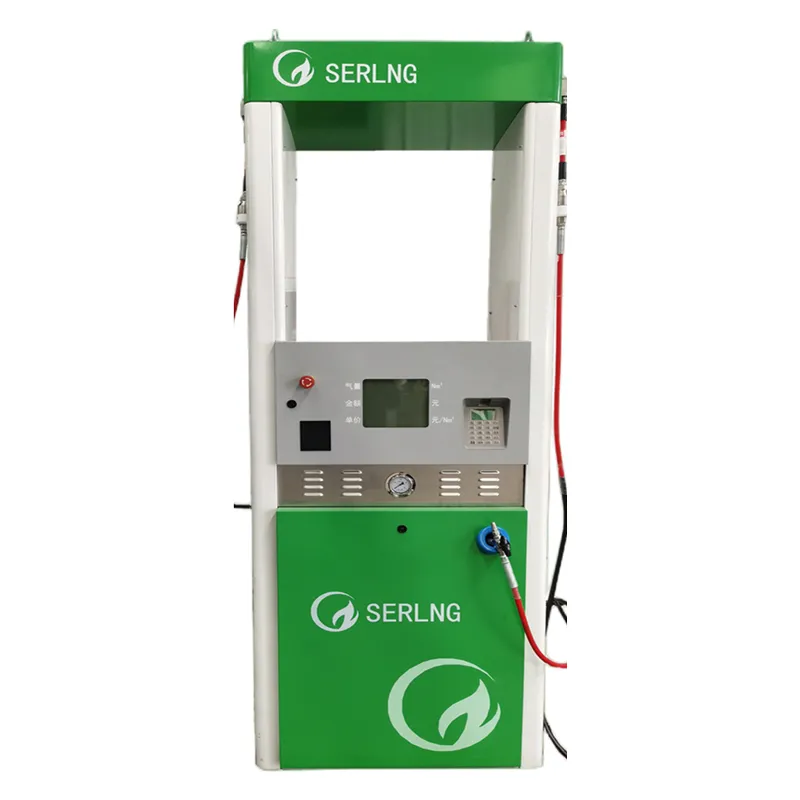
When it comes to LNG Skid systems, both novices and seasoned professionals in the field face challenges during design and installation. As an expert in this area, I understand that navigating the complexities of LNG skid design involves strategic planning, adherence to strict industry standards, and a methodical approach to installation. This guide will provide you with the necessary steps to create an efficient LNG skid system that meets operational expectations while complying with quality standards such as ASTM and DIN.
Understanding the Fundamentals of LNG Skid Design
The first step in the LNG skid system design and installation process is conceptualizing the skid layout. A well-designed LNG skid includes essential components such as cryogenic pumps, heat exchangers, and control systems. It’s crucial to develop a layout that allows for seamless flow dynamics and efficient heat transfer.
-
Define Your Specifications: Start by determining your operational requirements, including the desired flow rate and storage capacity. Make sure to calculate the temperature and pressure ratings accurately, with a precision margin of 0.01mm to ensure safety and efficiency.
-
Select Appropriate Materials: For LNG skids, the choice of materials is paramount. Use high-quality stainless steel or aluminum to ensure durability and resistance to cryogenic temperatures. Adhere to relevant standards such as ASTM A240 for stainless steel products to ensure integrity.
-
Incorporate Safety Features: Install safety shut-off valves and pressure relief devices to manage risks associated with cryogenic operations effectively.
Navigating the Installation Phase
Once your design is finalized, it’s time to move on to installation, a phase where special attention to detail is required.
-
Pre-Installation Checks: Before installation, conduct a thorough inspection of all components to ensure they have undergone 100% inspection compliance and are certified for use as per industry standards.
-
Site Preparation: Ensure the installation site is adequately prepared for the skid. This includes leveling the ground, implementing proper drainage systems, and ensuring access for maintenance.
-
Connect Electrical and Mechanical Systems: Take care to follow schematic diagrams meticulously, connecting the electrical systems and ensuring they meet safety codes. I recommend deploying experienced technicians familiar with LNG technology to manage this phase to avoid common pitfalls.
A case study worth noting involves a major LNG facility that implemented a modular approach to their skid installation, drastically reducing setup time by 30% and enabling a rapid response capability with 24-hour service support.
Overcoming Common Challenges
Throughout the process, be prepared for challenges such as unexpected regulatory changes or supply chain disruptions. Here are some strategies to mitigate these issues:
- Regular Training and Updates: Keep your team informed of the latest industry trends and standards to avoid compliance pitfalls.
- Flexibility in Design: Consider a flexible design that allows for future upgrades or modifications to adapt to changing operational needs.
Tools and Resources to Aid Your Journey
Utilizing comprehensive resources can streamline your design and installation process. Online platforms like China Cryogenic provide in-depth articles and specifications relevant to LNG skid systems, while industry software can help with simulations and layout optimization.
Wrapping Up Critical Insights
In conclusion, mastering LNG skid system design and installation is an attainable goal when following structured steps and adhering to industry standards. By incorporating quality materials, prioritizing safety, and preparing thoroughly for installation, you can create an effective LNG skid system that fulfills business needs. I encourage you to implement these strategies, share your experiences, and continuously seek improvement in your LNG operations. Through diligence and care, your LNG skid systems can not only meet but exceed performance expectations.