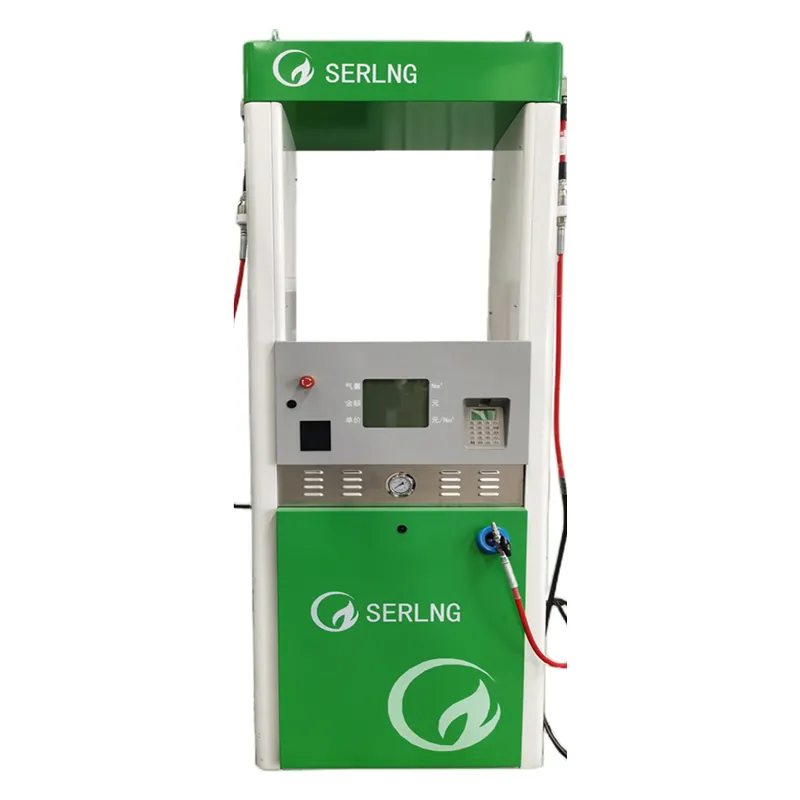
The urgency for transitioning to cleaner energy sources has never been more pronounced. Globally, transportation accounts for about 24% of greenhouse gas emissions, a figure that continues to rise as demand for mobility surges. While electric vehicles have garnered significant attention, the importance of liquefied natural gas (LNG) dispensers in clean energy transportation cannot be overstated. The ramifications of relying on traditional fossil fuels extend far beyond mere environmental concerns, affecting economic stability, public health, and global compliance with emissions regulations. Ignoring the transition to LNG is not just a mistake; it poses serious risks to our planet and future generations.
The root causes of this pressing issue are multifaceted. The heavy reliance on diesel and gasoline fuels, exacerbated by insufficient infrastructure for cleaner alternatives, creates a cycle of dependency that is difficult to break. LNG Dispensers represent a crucial infrastructure development; they facilitate the distribution of LNG, offering a cleaner-burning fuel that significantly lowers carbon emissions compared to traditional fossil fuels. However, without widespread access to LNG dispensers, the potential of this energy source remains largely untapped. I have seen firsthand how limited accessibility can stifle innovation and hinder the transition to a cleaner, more sustainable transportation model.
From an industry perspective, the impact of inadequate LNG dispensing infrastructure is profound. Companies that are unable to adopt LNG solutions may find themselves at a competitive disadvantage as regulations tighten around emissions and environmental standards. The transportation sector is particularly vulnerable; fleets that can switch to LNG not only reduce their environmental footprint but also benefit from cost savings due to lower fuel prices and tax benefits tied to cleaner emissions. For those invested in logistics or fleet management, understanding the role of LNG dispensers can mean the difference between thriving in a compliance-driven market and facing dwindling operational margins.
Data supports these claims decisively. According to a report by the U.S. Department of Energy, fleets that transitioned to LNG reported fuel cost savings of up to 30% compared to traditional diesel. Additionally, the switch to LNG can reduce nitrogen oxide emissions by 80% and particulate matter by up to 100%, dramatically improving air quality in urban settings. Case studies highlight successful transitions; for instance, a major delivery company that adopted LNG dispensers in its operations reported a 40% decrease in emissions within the first year of implementation.
However, neglecting the importance of LNG dispensers leads to substantial risks that can have wide-reaching implications. Should the industry continue to overlook the need for robust LNG dispensing infrastructure, it could result in increased operational costs, regulatory penalties, and a tarnished public image as an environmentally negligent business. Furthermore, with global energy demands steadily rising, businesses that fail to adapt may ultimately find themselves unsustainable in the long run. I urge readers to consider how their current policies align with the inevitable shift toward cleaner energy sources, emphasizing that proactive steps must be taken now to mitigate future crises.
In conclusion, I invite businesses and stakeholders to take a closer look at the importance of LNG dispensers in clean energy transportation. Investing in this infrastructure is not only an environmentally responsible choice but a strategic business decision that can ensure long-term viability. By embracing LNG dispensers, we can collectively pave the way toward a sustainable energy future, reaping the benefits of lower emissions, reduced costs, and compliance with the regulatory frameworks that are shaping our world. Let\'s take action now; the future of transportation rests in our hands. For more information, visit China Cryogenic to learn more about LNG solutions and dispensers.