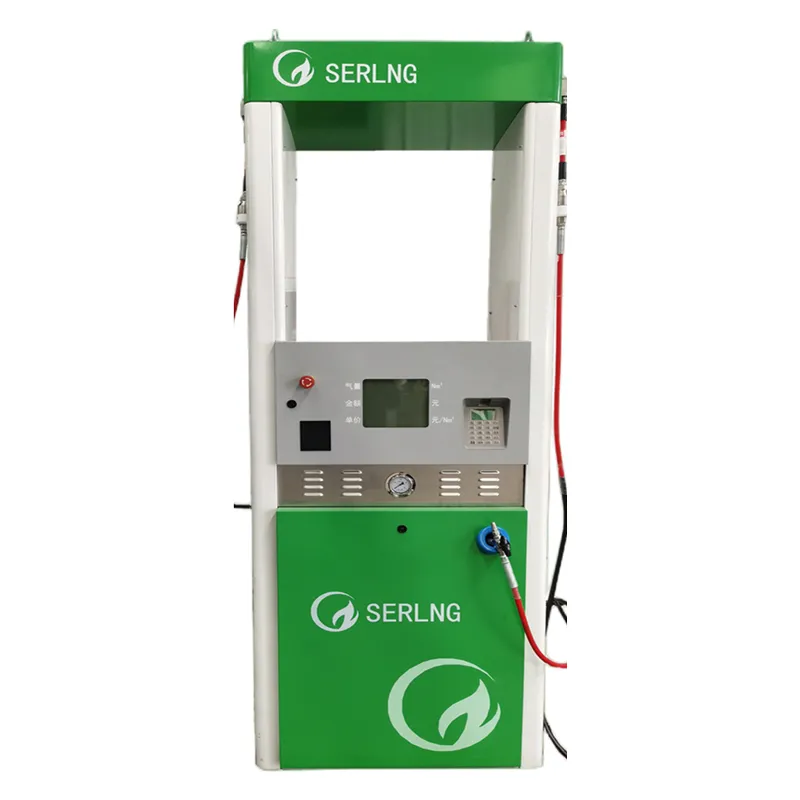
Understanding LNG and CNG Dispensers
What are LNG and CNG Dispensers?
LNG (Liquefied Natural Gas) dispensers are used to supply liquefied natural gas for vehicles, while CNG (Compressed Natural Gas) dispensers distribute compressed natural gas. Both serve the growing market of alternative fuel vehicles, providing an eco-friendly option compared to gasoline or diesel.
Core Parameter Comparison
Key Specifications & Features
- Dispensing Pressure
- Flow Rate
- Storage Requirements
- Temperature Control
- Safety and Compliance Standards
A comparative table highlighting core parameters may include:
| Parameter | LNG Dispenser | CNG Dispenser |
|---|---|---|
| Dispensing Pressure | Above 100 psi | Up to 3,600 psi |
| Flow Rate | High (depends on tank size) | Moderate |
| Storage Temperature | -162°C | Ambient Temperature |
Actual Use Experience
Performance Insights: Battery Life and Stability
LNG Dispensers typically exhibit strong stability because of the complex cryogenic technology used. CNG dispensers, while simpler, may experience variability in performance based on ambient conditions. Considerations include:
- Battery life for electronic meters.
- Temperature stabilization in LNG systems.
- Regular maintenance and operational stability.
Advantages and Disadvantages
Pros and Cons of LNG and CNG Dispensers
It is essential to evaluate the advantages and disadvantages to make an informed choice:
LNG Dispenser Advantages
- Higher energy density.
- Lower emissions.
- Better performance with long-haul applications.
LNG Dispenser Disadvantages
- Higher initial setup cost.
- Requires specialized infrastructure.
CNG Dispenser Advantages
- Lower initial investment.
- Widespread infrastructure availability.
CNG Dispenser Disadvantages
- Lower energy density.
- Potential performance variability.
Recommendations for Target Groups
Who Should Use Each Type of Dispenser?
The choice between LNG and CNG dispensers often depends on the specific needs of the target audience. Recommendations include:
- Long-haul freight operators typically benefit more from LNG dispensers due to their efficiency.
- Urban transit services may find CNG dispensers more suitable due to lower setup costs and existing infrastructure.
Conclusion: Choosing the Right Dispenser
In conclusion, both LNG and CNG dispensers offer unique advantages and disadvantages, making the choice dependent on specific operational needs and economic considerations. SERLNG provides comprehensive solutions for both LNG and CNG dispensing needs to support a transition to cleaner energy. For more information, visit our website.