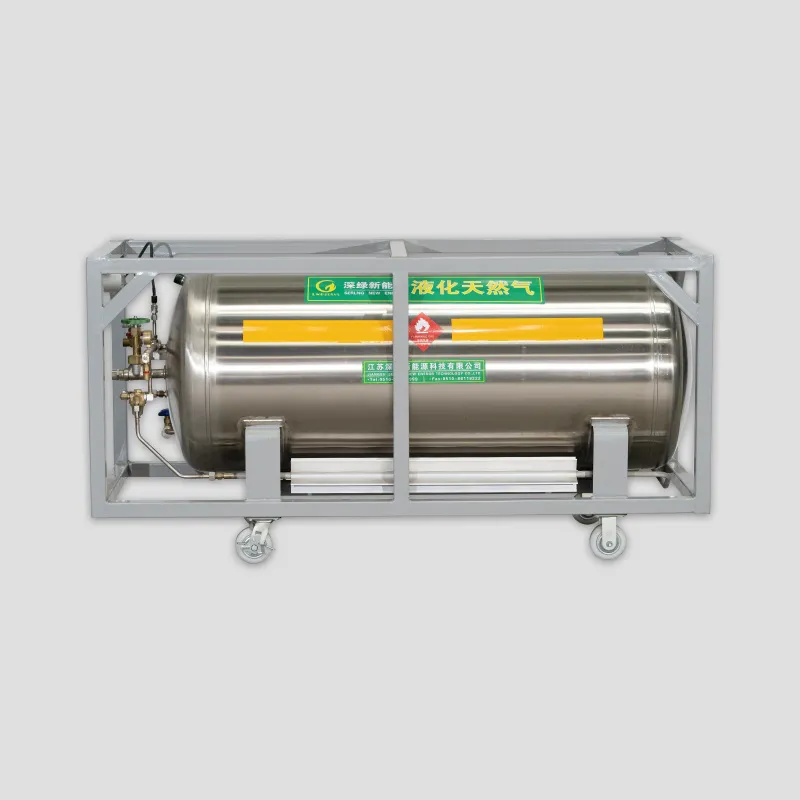
Liquid Oxygen Dewars are essential containers designed to store and transport cryogenic liquid oxygen safely and efficiently. In both medical and industrial sectors, these Dewars support various applications, from oxygen supply in hospitals to fueling processes in manufacturing plants. This guide aims to provide a comprehensive overview to help users make informed purchasing decisions regarding Liquid Oxygen Dewars.
Understanding Liquid Oxygen Dewar: What You Need to Know
- Definition and Purpose
- Overview of Liquid Oxygen Dewar function and applications.
- Importance in medical and industrial environments.
- Types of Liquid Oxygen Dewars
- Differences between stationary and portable Dewars.
- Comparison of vacuum insulated vs. non-insulated options.
Key Specifications to Consider When Buying
- Capacity
- Understanding storage capacities (e.g., liters).
- How capacity affects usage and delivery intervals.
- Material and Construction
- Importance of selecting durable materials (e.g., stainless steel).
- Impact of design features on longevity and efficiency.
- Pressure Regulation
- Explanation of pressure-relief valves and their importance.
- How pressure regulation affects safety and performance.
Buying Considerations for Medical and Industrial Users
- Regulatory Compliance
- Overview of relevant safety standards and regulations (e.g., OSHA, FDA).
- Importance of certification to ensure safety in medical applications.
- Supplier Reputation
- How to evaluate supplier experience and credibility.
- Checking reviews and case studies from other users.
Cost Considerations
- Initial Investment vs. Long-term Costs
- Factors influencing the price (size, manufacturer, features).
- Evaluating total cost of ownership, including maintenance and refills.
- Insurance and Financing Options
- Exploring coverage for equipment in medical applications.
- Investigating financing plans for industrial purchases.
Maintenance and Safety Practices
- Regular Maintenance Checks
- Establishing a maintenance schedule for longevity.
- Best practices for inspecting seals, valves, and insulation.
- Safety Protocols
- Essential safety measures when handling liquid oxygen.
- Emergency procedures for leaks or accidents.
Additional Resources and Information
- Recommended Suppliers and Products
- List of reputable manufacturers in the industry.
- Links to product specifications and user manuals.
- Industry Insights and Trends
- Current trends affecting liquid oxygen storage technologies.
- Future developments that may influence buying decisions.
Conclusion: Making the Right Choice
Choosing the right Liquid Oxygen Dewar requires careful evaluation of specifications, supplier reputation, and regulatory requirements to ensure safety and efficiency. By following the guidelines outlined in this buying guide, you can make an informed decision that meets both medical and industrial needs effectively.
For more information, consider visiting this link.