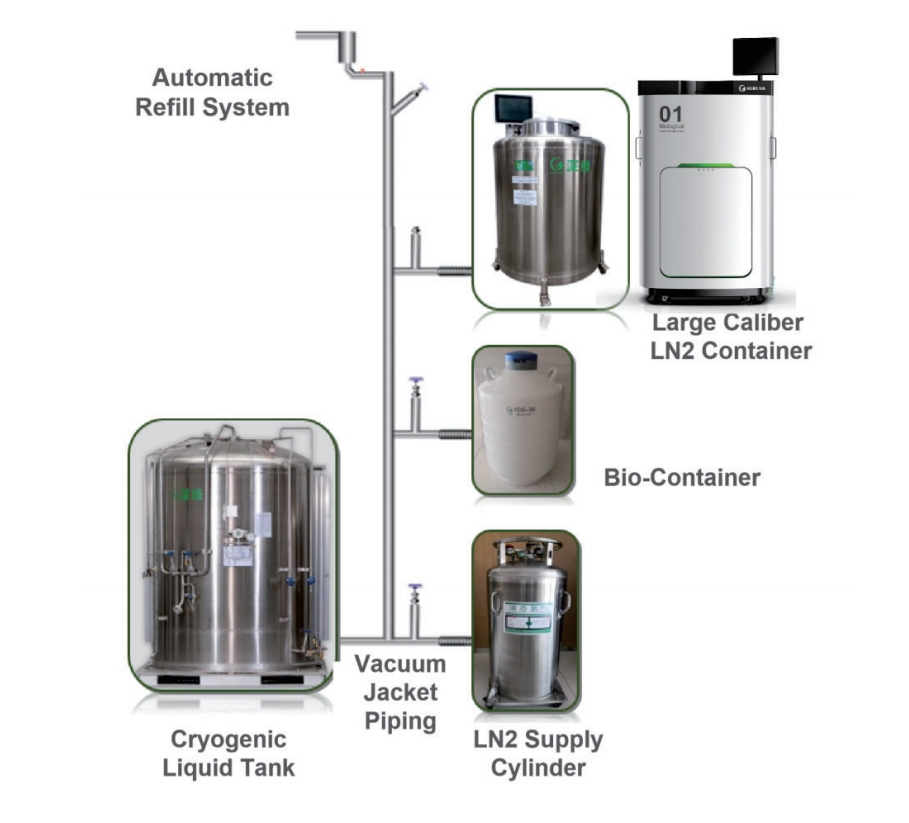
Liquid nitrogen (LN2) is a powerful cryogenic fluid widely used in various industries, from medical applications to food preservation. However, improper handling can lead to severe safety hazards. This article addresses the common pain points associated with liquid nitrogen usage, such as accidental exposure and inadequate storage methods. By implementing our practical safety tips, you can minimize risks and ensure effective use of liquid nitrogen, enhancing both operational efficiency and safety in your workspace.
Understanding the Risks of Liquid Nitrogen Supply Cylinder Usage
Liquid nitrogen can pose serious health risks if not handled properly. According to the Occupational Safety and Health Administration (OSHA), the hazards include asphyxiation, frostbite, and equipment failure. Understanding these risks is the first step towards ensuring a safe working environment.
Key Safety Tips for Handling Liquid Nitrogen
1. Proper Personal Protective Equipment (PPE)
Why: PPE protects against frostbite and asphyxiation.
Operation Method: Use insulated gloves, face shields, and safety goggles when handling LN2. Ensure your clothing covers exposed skin and is suitable for cryogenic work.
Guidance: Ideal for laboratory technicians and medical professionals conducting cryogenic procedures.
2. Approved Storage Solutions for Liquid Nitrogen Supply Cylinders
Why: Secure storage prevents leaks and accidents.
Operation Method: Store LN2 in approved cryogenic containers and ensure all cylinders are properly labeled. Keep them upright and secured to prevent tipping and damage.
Guidance: Recommended for industries with frequent LN2 use, such as research laboratories and healthcare facilities.
3. Ventilation and Safety Measures
Why: Good ventilation reduces the risk of oxygen displacement.
Operation Method: Ensure the workspace is well-ventilated and equipped with oxygen monitors to alert you in the event of low oxygen levels.
Guidance: Crucial for all environments where LN2 is used, particularly enclosed spaces.
4. Emergency Response Plans for LN2 Incidents
Why: Preparedness minimizes injury and damage.
Operation Method: Develop and practice an emergency response plan that includes actions in the event of spills, leaks, or personal exposure to LN2.
Guidance: Essential for all workplaces using liquid nitrogen, particularly those with significant quantities onsite.
5. Proper Disposal of Liquid Nitrogen
Why: Mishandled disposal can lead to accidents.
Operation Method: Allow excess nitrogen to evaporate in well-ventilated areas rather than pouring it down drains or in confined spaces.
Guidance: Important for laboratories and production facilities that generate LN2 waste.
Summary of Key Points
To navigate the complexities of liquid nitrogen handling, employing appropriate personal protective equipment, ensuring proper storage, maintaining ventilation, implementing emergency protocols, and managing disposal procedures are critical strategies. By adhering to these guidelines, you can optimize safety and efficiency in your LN2 operations.
Frequently Asked Questions about Liquid Nitrogen Handling
What are the main hazards associated with liquid nitrogen?
The primary hazards include asphyxiation due to oxygen displacement, severe frostbite from skin contact, and potential equipment failure due to rapid temperature changes.
How should liquid nitrogen be stored?
LN2 should be stored in designated cryogenic tanks or approved containers that can withstand low temperatures, positioned upright to avoid spills.
Is liquid nitrogen safe to use in food applications?
Yes, liquid nitrogen is safe in food applications when handled correctly, as it allows for rapid freezing, maintaining food quality. Always ensure proper safety measures are in place.
For more reliable storage solutions, consider using SERLNG cryogenic supply cylinders, renowned for their efficiency in preserving liquid nitrogen integrity.
For further information, images of proper handling and storage practices can be viewed here.