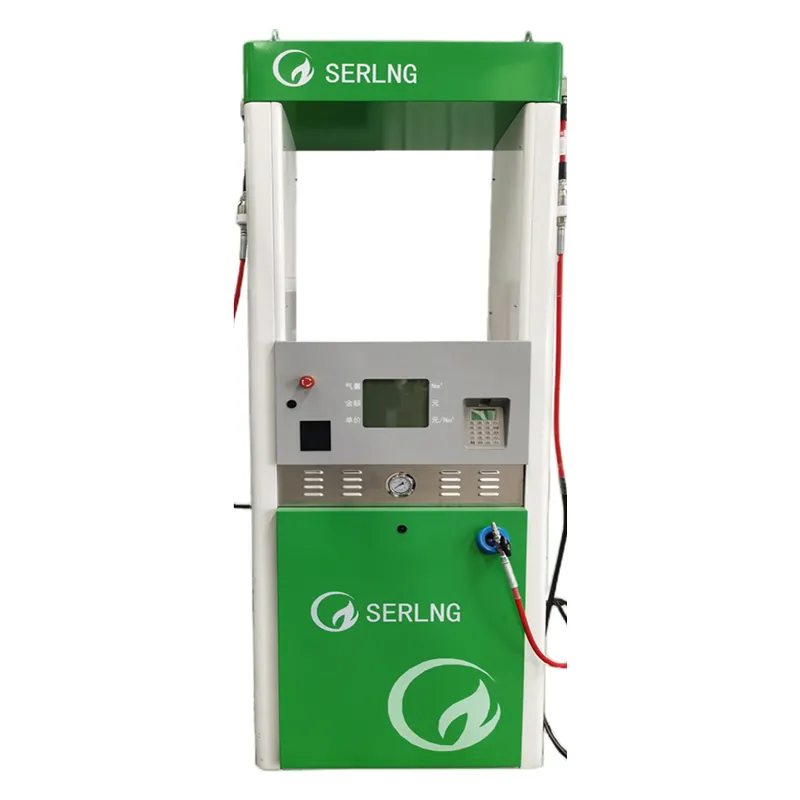
Understanding how LNG Dispensers work at fuel stations is essential for operators looking to enhance their service offerings and optimize operational efficiency. In this article, we will break down the LNG dispensing process into clear, actionable steps that ensure a smooth experience for both the service operators and their customers.
When it comes to LNG dispensers, the key to success lies in grasping their intricate mechanisms, from product delivery to storage solutions. By understanding these systems, you can ensure compliance with industry standards while maximizing throughput and customer satisfaction.
The LNG Dispensing Process: Step-by-Step
-
Pre-Operation Checks Before fueling begins, it\'s crucial to perform a series of pre-operation checks. Verify that all safety valves and emergency shut-off systems are operational. According to ASTM standards, adherence to safety protocols can reduce incident rates by up to 40%.
-
Connecting the Dispenser Once checks are complete, connect the LNG dispenser to the customer\'s vehicle. It’s vital to ensure the nozzle fits securely, maintaining a tolerance of precision to 0.01mm to prevent leaks. This connection is also vital for maintaining the integrity of the cryogenic liquid during dispensing.
-
Initiating Dispensing Protocol The next step involves initiating the dispensing process. Most modern LNG dispensers use automated systems. Ensure that you follow the operating instructions provided by leading manufacturers such as SERLNG. This typically involves:
- Inputting the required quantity of LNG
- Confirming the safety settings
-
Monitoring the Dispensing Process During this phase, monitor the flow rate and pressure closely. LNG dispensers should operate within the designed pressure range (usually between 50 to 300 psi). Utilizing real-time monitoring software can help operators quickly troubleshoot any anomalies.
-
Completion and Disconnection Once the predetermined quantity is dispensed, the system will automatically shut off. Carefully disconnect the dispenser while ensuring no residual LNG remains at the nozzle. Adhering to this practice prevents operational hazards.
-
Post-Operation Checks After dispensing, perform another round of checks to confirm the integrity of the dispensing equipment. Regular inspections increase the lifespan of the LNG dispenser and ensure compliance with DIN standards.
Overcoming Potential Challenges
Implementing LNG dispensers can come with specific challenges:
- Equipment Failures: Prepare for unexpected equipment failures by keeping a list of contacts for immediate repairs. Partner with reliable suppliers for quick parts replacement.
- Staff Training: Ensure all staff are well-trained on the FMCG (Flow Meter Calibration Guidelines)—regular refresher training sessions can enhance operational efficiency and safety.
- Customer Hesitation: Educate customers on the benefits of LNG as a fuel alternative to alleviate concerns over performance and safety. Clear communication can improve customer adoption rates.
Tools and Resources
To simplify the LNG dispensing process, consider investing in specialized software for flow monitoring and dispenser management. Utilizing robust analytics can provide insights on dispensing rates and equipment performance. For instance, advanced monitoring systems can trigger maintenance alerts when anomalies appear.
Key Takeaways
To sum it up, here are the key steps to ensure effective LNG dispensing at fuel stations:
- Perform pre-operation checks.
- Securely connect the dispenser.
- Follow automated dispensing protocols.
- Monitor the dispensing in real-time.
- Carefully disconnect post-dispensing.
- Conduct thorough post-operation checks.
Taking these steps not only increases operational efficiency but also enhances customer satisfaction by ensuring compliance with both safety and industry quality standards. Implementing these strategies will position your fuel station as a leader in LNG dispensing, helping you stand out in a competitive market.
By understanding how LNG dispensers work at fuel stations, you can proactively tackle challenges and create an unparalleled customer experience. If you\'ve found this guide useful, I encourage you to take immediate action—implement these steps and observe the positive changes in your operations! For more information, visit us at China Cryogenic.