News

News

How Does a Hydrogen Refuelling Station Work?

SERLNG - May. 27, 2026

Understanding the Basics of Hydrogen Refuelling Stations

What is a Hydrogen Refuelling Station?

A hydrogen refuelling station is a facility that provides hydrogen fuel to fuel cell electric vehicles. Unlike conventional fueling stations, hydrogen stations utilize advanced technology to store and dispense hydrogen gas safely and efficiently.

The Importance of Hydrogen in the Energy Transition

As the world shifts towards sustainable energy solutions, hydrogen offers a clean alternative fuel source. Fuel cell vehicles emit only water vapor, making them an environmentally friendly option for reducing greenhouse gas emissions.

The Components of a Hydrogen Refuelling Station

Key Components Involved in the Station

  • Hydrogen Storage Tanks

  • Hydrogen Compressor

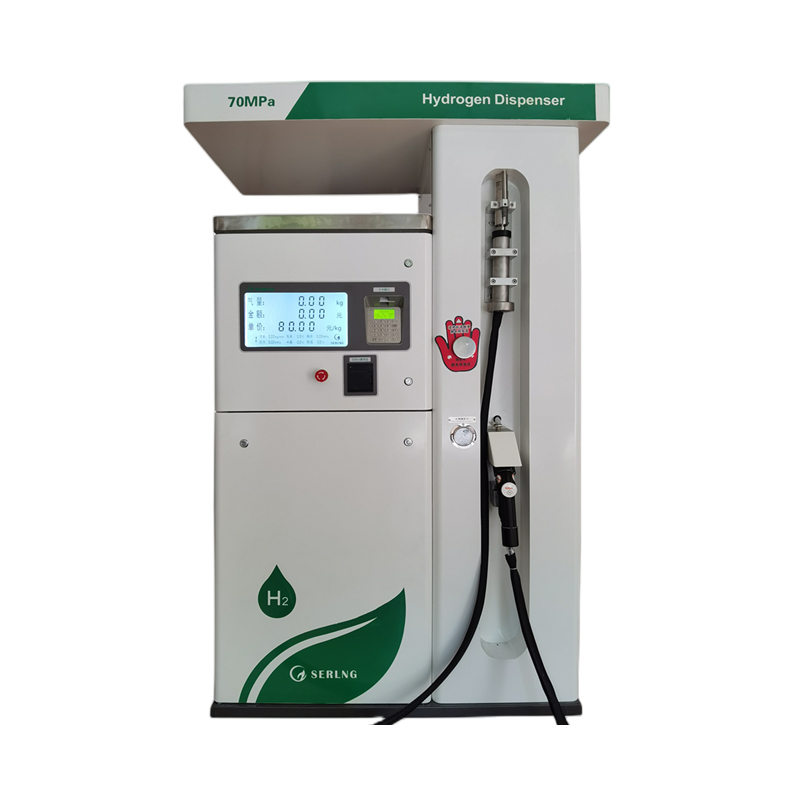
  • Dispenser

  • Control System

  • Cooling System

Required Tools and Equipment

To effectively operate a hydrogen refuelling station, the following tools and equipment are necessary:

  • Hydrogen Fuel Storage Tanks

  • High-Pressure Compressors

  • Dispensing Nozzles

  • Hydrogen Safety Sensors

  • Control Software

Step-by-Step Guide to Operate a Hydrogen Refuelling Station

First Step: Assess Safety Protocols

Before beginning operations, conduct a thorough safety assessment. Ensure all safety protocols are in place, including emergency shutdown procedures and staff training.

Second Step: Ensure Proper Hydrogen Storage

Verify that hydrogen storage tanks are filled according to specifications. Proper filling procedures ensure safety and efficiency in fuel dispensing.

Third Step: Prepare the Dispenser for Use

Activate the Hydrogen Dispenser system, ensuring it is calibrated correctly to match the type of vehicles you will serve. Perform regular maintenance checks on the dispensing unit.

Fourth Step: Conduct a Pre-fueling System Check

Check all safety mechanisms and ensure that pressure gauges are functioning accurately. This step is crucial for maintaining operational safety.

Fifth Step: Refuel the Vehicle

Guide the user on how to safely refuel their hydrogen vehicle, including connecting the nozzle and starting the fueling process. Ensure that the user follows safety protocols during dispensing.

Common Mistakes to Avoid When Operating a Hydrogen Refuelling Station

Overlooking Safety Measures

Neglecting safety protocols can lead to dangerous situations. Always prioritize safety by conducting regular training sessions for staff.

Insufficient Maintenance Checks

Regular maintenance of equipment is essential for optimal performance. Schedule routine checks to prevent breakdowns and ensure safety.

Ignoring Environmental Regulations

Stay updated on local and federal regulations regarding hydrogen use and storage. Compliance is not just mandatory; it also promotes a sustainable operation.

Conclusion: Why Choose SERLNG for Hydrogen Dispensers?

As the hydrogen economy grows, investing in high-quality hydrogen dispensers is crucial for safety and efficiency. SERLNG offers innovative solutions tailored to meet the needs of modern hydrogen refuelling stations. For more information about our products, visit this link.

Return to List

You Can Contact Us Immediately For Customized Solutions!

SERLNG is committed to providing engineering low-temperature products and services in the industrial gases, life sciences, and green energy markets. We are committed to providing our customers with a wide product line, advanced technology, and continuous innovation.

Get customized solutions!

Related Products

Horizontal Liquid Dewar Cylinder DPW650 Series

The DPW650 Series Horizontal Liquid Dewar Cylinder offers a mobile, safe, and efficient solution for LNG dispensing. Its compact, skid-mounted design ensures easy deployment and reliable operation, featuring rapid refueling capabilities and a built-in explosion-proof system for enhanced safety.

Learn More

Intelligent LN2 Bio-Bank

SERLNG is dedicated to providing the most cost effective and intelligent liquid nitrogen storage system for all kinds of bio-banks.

Learn More

Liquid Argon Dewar DPL450/550 Series

Liquid Argon Dewar adopts multilayer high vacuum insulation technology. The product has better thermal insulation performance and stable vaccum maintance period. LAr Dewar bottles can be installed and produced according to customer-specified accessories.

Learn More

CNG Dispenser

CNG Dispenser is a critical piece of equipment in compressed natural gas (CNG) refueling stations. It is specifically designed to safely, accurately, and efficiently transfer natural gas from storage to vehicles. Its key advantages include fast-filling capabilities for minimal vehicle downtime, high-precision metering for fair billing, and robust safety features that ensure reliable operation.

Learn More

Hydrogen Dispenser

Our self-developed and designed hydrogen dispenser adopts the advanced technology of the hydrogenation industry from Germany and Japan, as well as the mature and stable key components.

Learn More

Dry Shipper YDS-B Series

This series of products is suitable for users who transport biological samples over long distances.

Learn More

LNG Dispensers SL-JY1/2 series

The SERLNG LNG SL-JY1/2 series is China's leading natural gas dispenser, using the latest technology and rugged design, with simple process, convenient operation, anti-theft hydraulic control and fast filling, can provide many years of trouble-free service.

Learn More

Liquid Helium Dura Cylinder Series

The Liquid Helium Dura Cylinder is a high-performance, vacuum-insulated container engineered for the secure and efficient storage and transportation of liquid helium. It is specifically designed to achieve an ultra-low evaporation rate, ensuring extended holding times—a critical factor for minimizing the high cost of helium loss. Constructed from durable stainless steel with an advanced multilayer insulation system, it guarantees superior thermal performance. A key application includes reliably supplying coolant to MRI and NMR spectrometers in medical and research facilities, in addition to supporting various low-temperature physics experiments. Its robust design often incorporates safety features like pressure relief valves and a stable base for secure handling.

Learn More